


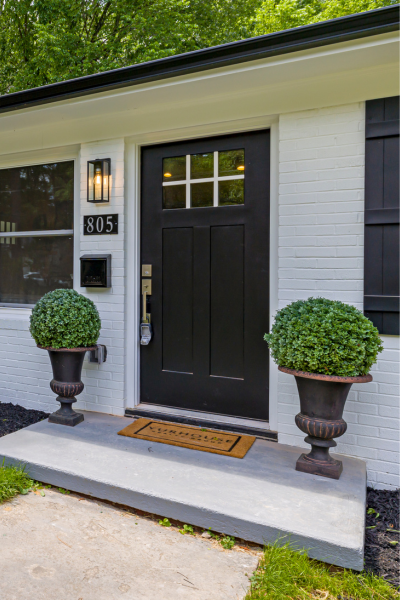

The short answer? Traditional starter homes are evolving—and what’s taking shape might pleasantly surprise you. If you’re a buyer wondering where the affordable homes went, or a seller trying to decode what today’s market really wants, you’re in the right spot.
Let’s walk through what’s really happening in today’s housing market and how to make your next move with confidence.
The Reality Check: Why Traditional Starter Homes Are Struggling
Quick reality check: first-time homebuyers now represent the lowest share of the market since 1981. Yes, really—over four decades!
The numbers still pack a punch. With mortgage rates hovering near 6-7% and home prices staying elevated, many buyers who would traditionally purchase starter homes feel squeezed. That dynamic has created what housing economists call a “K-shaped economy”: older homeowners with equity stay put, while newer buyers need fresh strategies to break into homeownership.
Take a breath. Understanding the landscape is your first advantage, and there are still paths forward—they just look a little different than they did for previous generations.
What “Starter Home” Actually Means in 2026
Instead of disappearing, the concept of a starter home is leveling up. The old definition—a small, basic place you outgrow in five years—has been replaced by something much smarter.
Today’s move-in ready properties are defined less by price point and more by their specific amenities and future-ready features. Translation: buyers aren’t looking for a temporary stop. They want a home they can grow with, adapt to changing needs, and genuinely enjoy for the long haul.
This shift makes perfect sense as moving costs have climbed alongside home prices. If you’re going to stretch your budget, it should be for a place that feels worth staying in.
What Today’s Buyers Actually Want
Let’s break down the specific features driving decisions in 2026. Knowing these preferences helps whether you’re buying or selling:
Smart Technology and Digital Convenience
Today’s buyers expect homes to work as seamlessly as their smartphones—simple, connected, and reliable. We’re talking smart home features, digital-first communities with resident portals, online payment systems, and app-controlled essentials. If your property still relies on paper notices and analog systems, it’s time for a quick refresh.
No need to turn your home into a tech showroom. Start with the basics: programmable thermostats, smart doorbells, and reliable high-speed internet infrastructure. These relatively affordable upgrades can make a big difference in buyer appeal.
Sustainability and Energy Efficiency
This isn’t only about being environmentally conscious (though that matters too). Energy-efficient features directly reduce monthly expenses—huge for budget-conscious buyers.
The most sought-after sustainable features include:
- Whole-home battery storage systems
- Electric vehicle charging stations
- Energy-efficient windows and insulation
- Solar panels or solar-ready infrastructure
- “Zero-energy” capability (homes that produce as much renewable energy as they consume)
Even smaller sustainability improvements can help your property stand out. LED lighting throughout the house, Energy Star appliances, and smart water systems signal to buyers that they won’t be stuck with sky-high utility bills.
Wellness and Health Features
The pandemic reshaped how we think about home. Buyers now prioritize features that support physical and mental well-being:
- Advanced air filtration systems
- Whole-house water purification
- Natural light optimization
- Dedicated workspace areas
- Outdoor living spaces
In the luxury market, we’re seeing demand for more specialized wellness features like meditation rooms, home gyms, and even cold-plunge pools. But wellness isn’t only for high-end buyers: good ventilation, natural light, and clean indoor air quality matter to everyone.
Flexible and Multigenerational Layouts
Here’s a big shift: multigenerational living is rising. It’s not just about saving money (though that helps), some are choosing to live together to stay closely connected.
The most popular multigenerational features include:
- Separate suites with private entrances
- Converted garages into primary suites
- ADU (Accessory Dwelling Unit) potential
- Flexible spaces that can serve multiple purposes
- Separate kitchen or kitchenette areas
If you’re selling, highlight flexible living arrangements. Can that bonus room serve as an office, guest suite, or retreat? Help buyers picture multiple uses for each space.
Practical Steps for Navigating Today’s Market
Whether you’re buying or selling, here’s your action plan for success in this evolving market:
For Buyers:
Don’t get stuck on the traditional starter home concept. Focus on a property that meets your needs now and can flex for the future. Look for adaptable spaces, solid bones, and upgrade potential.
Expand your search criteria. Consider homes that might not look perfect in photos but offer the right layout and location. Sometimes a house that needs cosmetic updates is more affordable than a move-in ready property—and you can make it yours over time.
Get creative with your financing and living arrangements. Explore down payment assistance programs, consider co-buying arrangements, or investigate build-to-rent communities. Our team can help you understand all the options available in your situation.
For Sellers:
Highlight flexibility and modern conveniences. Emphasize multipurpose spaces and showcase any smart home or energy-efficient features you’ve installed.
Don’t underestimate the power of move-in ready condition. In a market where buyers are financially stretched, homes that don’t require immediate additional investment have a clear advantage.
Consider your target buyer carefully. Are you appealing to first-time buyers, multigenerational families, or downsizers? Each group has different priorities—align your marketing with what matters most to them.
The Bottom Line: Adaptation, Not Elimination
Traditional starter homes haven’t disappeared—they’ve evolved into something more sophisticated and feature-rich. Buyers are willing to stretch for homes that deliver long-term value, modern conveniences, and flexibility for changing life stages.
This shift creates opportunities for buyers and sellers who understand what the market actually rewards. If you’re feeling a bit overwhelmed, remember: you don’t have to navigate this alone.
At Executive Group Realty, we stay current on market trends and buyer preferences so we can guide you toward smart, confident decisions for your specific situation. Whether you’re ready to explore options as a buyer or want to position your property effectively, we’re here to help you understand your next steps.
The market may look different than it did for previous generations, but homeownership dreams are very much alive—they just require a fresh approach and a clear plan. Ask questions, explore creative solutions, and feel free to think beyond traditional definitions of your perfect home.