


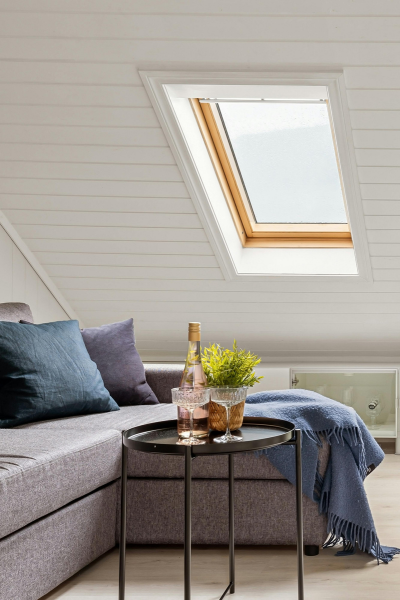

You’re sitting in your living room, looking around, and thinking “We need more space.” But here’s something many homeowners don’t realize: you might already have that space: it’s just hiding above or below you. Your basement and attic aren’t just storage dumps for holiday decorations and forgotten exercise equipment. These bonus spaces hold incredible potential to transform your home and your daily life.
Don’t worry if you’re feeling overwhelmed by the possibilities. We’ve helped countless homeowners unlock the hidden potential in their homes, and we’re here to guide you through every step of maximizing these often-overlooked areas.
Understanding Your Bonus Space Potential
Before you start dreaming about your perfect basement hangout or attic retreat, let’s get clear on what you’re working with. Take inventory of your current spaces first. Walk through your basement and attic with a clipboard and measuring tape. Note the ceiling height, natural light sources, existing electrical and plumbing, and any moisture or structural issues you can see.
Here’s what to look for in your assessment:
- Basement ceiling height: You’ll need at least 7 feet for comfortable living spaces
- Attic headroom: Look for areas where you can stand upright comfortably
- Existing utilities: Note where electrical outlets, lighting, and plumbing already exist
- Moisture signs: Check for water stains, musty odors, or dampness
- Access points: Consider how easy it is to get to these spaces
Don’t be afraid to ask questions if you’re unsure about structural elements. Our agents work with trusted contractors who can help assess the feasibility of your conversion dreams.
Basement Transformation: From Storage to Showplace
Your basement offers some of the most exciting possibilities for expansion. The beauty of basement conversions is that you’re working with substantial square footage: often matching or exceeding your main floor space.
Entertainment Zones
Transform your basement into the ultimate retreat. We’ve seen homeowners create incredible entertainment spaces that become the heart of their homes. Consider these popular options:
- Game rooms with pool tables, air hockey, or vintage arcade games
- Home theaters with comfortable seating and surround sound systems
- Sports viewing areas with multiple screens and wet bars
- Kids’ playrooms that keep toys and activities contained but accessible
Home Offices and Study Spaces
With remote work becoming more common, basement offices offer quiet, dedicated workspace away from household distractions. The key is proper lighting and ventilation. Install bright LED lighting and consider adding egress windows if they don’t already exist: you’ll improve both the space and your home’s value.
Guest Suites and In-Law Apartments
A basement guest suite provides privacy for visitors while keeping your main living areas undisturbed. Include these essential elements:
- Comfortable sleeping area with proper ventilation
- Private bathroom (even a simple half-bath makes a huge difference)
- Small kitchenette or coffee station
- Separate entrance if possible
Multi-Purpose Flexibility
Don’t feel locked into single-use spaces. The most successful basement conversions we’ve seen incorporate multiple functions. Create zones within your basement: perhaps a workout area on one side and a reading nook on the other. Use furniture placement and area rugs to define different spaces without walls.
Attic Conversions: Reaching New Heights
Your attic presents unique opportunities that basements simply can’t match. The sloped ceilings and architectural details create character that many homeowners find irresistible.
Master Suite Retreats
Converting your attic into a master suite adds significant value to your home while giving you a private sanctuary. The separated location provides natural sound barriers and privacy. Consider adding:
- Dormer windows to increase headroom and natural light
- Built-in storage that works with sloped ceilings
- Luxurious bathroom features like rainfall showers or freestanding tubs
Creative Spaces and Hobby Rooms
Attics make perfect spaces for creative pursuits. The quiet, separated environment is ideal for:
- Art studios with excellent natural light from skylights
- Music rooms where sound won’t disturb others
- Craft rooms with built-in storage for supplies
- Home libraries with cozy reading nooks
Guest Bedrooms with Character
Attic guest rooms have a charm that’s hard to replicate elsewhere in your home. The sloped ceilings create intimate, cozy spaces that guests often prefer to standard bedrooms. Add built-in storage benches under eaves and use the unique architecture to your advantage.
Planning Your Conversion: Essential First Steps
Before you start swinging hammers or calling contractors, take time to plan properly. This preparation will save you money, time, and frustration down the road.
Budget Considerations
Basement and attic conversions can range from simple refreshes to full renovations. Here’s how to approach budgeting:
- Start with must-haves: Proper insulation, adequate lighting, and climate control
- Add nice-to-haves gradually: Built-ins, premium finishes, and specialty features
- Plan for the unexpected: Budget an additional 20% for surprises like outdated wiring or plumbing issues
Permits and Building Codes
Don’t skip this step: improper conversions can create problems when you’re ready to sell. Most areas require permits for:
- Electrical work and new circuits
- Plumbing installations or modifications
- Structural changes or additions
- Egress window installations
Our agents can recommend local contractors who understand permit requirements and will handle this process properly.
Professional vs. DIY Work
Be realistic about your skills and available time. Some projects are perfect for DIY enthusiasts, while others require professional expertise:
Good DIY projects:
- Painting and decorating
- Installing laminate flooring
- Building simple storage solutions
- Basic organizing and decluttering
Leave to professionals:
- Electrical work and new wiring
- Plumbing installations
- Structural modifications
- Insulation and vapor barriers
Design Elements That Make the Difference
The details you choose will determine whether your conversion feels like a true extension of your home or just a “fixed-up basement” or attic.
Lighting Strategy
Poor lighting kills the atmosphere in bonus spaces. Layer different types of lighting:
- Ambient lighting for overall room illumination
- Task lighting for specific activities like reading or working
- Accent lighting to highlight architectural features or artwork
Flooring Choices
Your flooring selection impacts both comfort and durability. Consider these options:
- Luxury vinyl plank for basements prone to moisture
- Carpet tiles that can be replaced individually if damaged
- Area rugs over existing floors for warmth and comfort
Color and Decor
Light colors make spaces feel larger and brighter: especially important in areas with limited natural light. Use mirrors strategically to reflect light and create the illusion of more space. Don’t forget that plants can thrive in these spaces with proper lighting.
Making It Happen: Your Next Steps
Now that you understand the possibilities, it’s time to take action. Start with these manageable steps:
- Complete your space assessment using the checklist we provided
- Research local permit requirements for your planned improvements
- Get multiple quotes from licensed contractors for major work
- Start with one area rather than trying to convert everything at once
- Document your progress with photos: you’ll be amazed at the transformation
Remember, these conversions don’t have to happen overnight. Many successful projects happen in phases, allowing you to spread costs over time while enjoying improvements along the way.
Your basement and attic represent incredible opportunities to expand your living space without the expense and disruption of additions. Whether you’re dreaming of a home theater, a primary suite retreat, or simply more organized storage, these bonus spaces can deliver exactly what your home needs.
Don’t let another year go by with these areas sitting unused. The space is there, waiting for your vision to bring it to life. When you’re ready to explore how these improvements might affect your home’s value or if you’re considering a move to find more space, our team at Executive Group Realty is here to help. We understand how thoughtful improvements enhance both daily living and long-term property value.
Your perfect bonus space is closer than you think (it’s time to unlock its potential).